Running Your First ARC Campaign: A Step-by-Step Walkthrough
Never run an ARC campaign before? Here's exactly how to distribute advance copies, collect reviews, and launch with social proof — step by step.
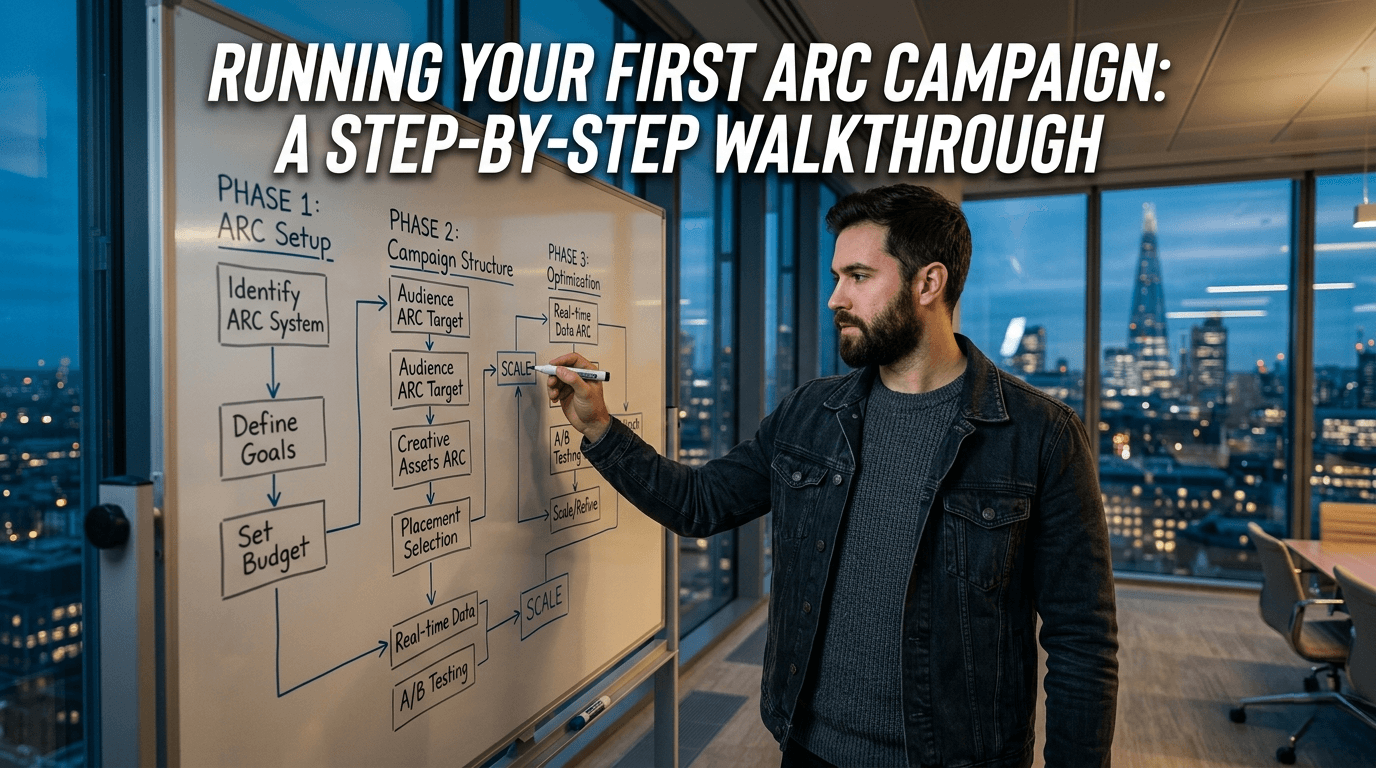
You've heard that reviews are critical for launch day. You know you need an ARC (Advance Reader Copy) campaign. But you've never done one before and the whole thing feels overwhelming. Let's break it down into simple, actionable steps.
Step 1: Finish Your Book (But Don't Publish Yet)
Your ARC should be the final or near-final version. Minor typo fixes after ARC distribution are fine, but the story should be complete. ARC readers accept that they're reading a pre-release version.
Step 2: Build Your ARC List
Start 4–6 weeks before your launch date. You need 20–50 ARC readers. Sources:
Your email subscribers (ask in your newsletter)
Social media followers (post a call for ARC readers)
Genre Facebook groups (many have dedicated ARC threads)
Readers who've reviewed your previous books
Step 3: Set Expectations
When someone signs up, tell them:
The book and genre (so they know what they're committing to)
The timeline (when they'll receive the ARC, when the book launches)
What you're asking for (an honest review, posted within 1–2 weeks of launch)
Where to post (Amazon, Goodreads, your book page, or all three)
Step 4: Distribute the ARC
Send the ebook file (EPUB or PDF) 3–4 weeks before launch. Options:
Reader magnet on your website (free download in exchange for email)
Direct email with the file attached
A service like BookFunnel for managed delivery
Step 5: Follow Up
One week before launch, send a reminder: "The book launches on [date]! If you've finished reading, reviews can go live on launch day." Don't nag — one reminder is enough.
Step 6: Collect and Display Reviews
As reviews come in, approve and display them on your book page. Share great pull quotes on social media. Thank reviewers publicly — they're more likely to review your next book.
AuthorLoft's ARC management tools handle review collection, moderation, and display automatically.
The Indie Author’s ARC Playbook
A Complete, Stress‑Free Guide to Running Your First Advance Reader Copy Campaign
Launching a book is one of the most exciting—and nerve‑wracking—moments in an author’s career. You’ve poured months or years into writing, revising, and polishing your story. Now you’re preparing to release it into the world, and you’ve heard the same advice over and over:
“You need reviews on launch day.”
“You need an ARC team.”
“You need early momentum.”
But if you’ve never run an ARC (Advance Reader Copy) campaign before, the process can feel overwhelming. Where do you find readers? What do you send them? How do you make sure they actually leave reviews?
This guide breaks everything down into simple, actionable steps so you can run your first ARC campaign with confidence—and set your book up for a strong, successful launch.
Why ARC Campaigns Matter
ARC campaigns exist for one reason: to generate early reviews and early buzz.
On launch day, readers look for:
Social proof
Credibility
Signals that your book is worth their time
Amazon’s algorithm looks for:
Sales velocity
Review activity
Engagement
ARC reviews help with all of these. They give your book a foundation of trust and visibility before it ever hits the shelves. Even 10–20 reviews can dramatically improve your launch performance.
But ARC campaigns only work when they’re done intentionally. That’s where this guide comes in.
Step 1: Finish Your Book (But Don’t Publish Yet)
Your ARC should be the final or near‑final version of your book. ARC readers understand they’re reading a pre‑release edition, but they still expect a polished experience.
What “ARC‑ready” means
The story is complete
All major revisions are done
The manuscript has been edited
Only minor typo fixes remain
ARC readers are forgiving of small errors, but they’re not forgiving of:
Plot holes
Missing chapters
Unfinished scenes
Confusing formatting
If your book isn’t ready, your ARC team will notice—and their reviews will reflect it.
Why you shouldn’t publish yet
Once your book is published:
You can’t collect early reviews
You lose the “new release” momentum
You miss the chance to build buzz before launch
ARC campaigns work best when the book is finished but not yet live.
Step 2: Build Your ARC List
Start building your ARC team 4–6 weeks before launch. This gives readers enough time to read the book and prepare their reviews.
Your goal: 20–50 ARC readers
This is the sweet spot for most indie authors—large enough to generate meaningful reviews, small enough to manage easily.
Where to find ARC readers
1. Your email subscribers
Your email list is your most reliable source of ARC readers. These people already know you, trust you, and want to support your work.
Send a simple message:
“I’m looking for ARC readers for my upcoming book. If you’d like a free early copy in exchange for an honest review, click here to sign up.”
2. Social media followers
Post a call for ARC readers on:
Instagram
Facebook
TikTok
Threads
X/Twitter
Use a clear, friendly invitation:
“Want to read my new book early? I’m putting together an ARC team!”
3. Genre Facebook groups
Many genre‑specific groups have:
ARC threads
Promo days
Review exchanges (always check rules)
Look for groups dedicated to your genre—cozy mystery, fantasy romance, sci‑fi, historical fiction, etc.
4. Readers who reviewed your previous books
These readers already like your writing. They’re ideal ARC candidates.
Send a personal note:
“Thank you again for reviewing my last book. Would you like an early copy of my next one?”
How to collect signups
Use:
A simple Google Form
A signup page on your website
A BookFunnel signup link
A newsletter form with an ARC tag
Keep it simple: name + email + preferred reading format.
Step 3: Set Expectations Clearly
ARC campaigns fall apart when expectations are unclear. You want your readers to feel excited—not confused or pressured.
When someone signs up, send a welcome message that includes:
1. The book and genre
Tell them exactly what they’re getting:
Title
Genre
Heat level (if applicable)
Trigger warnings (if applicable)
This prevents mismatched expectations and negative reviews.
2. The timeline
Let them know:
When they’ll receive the ARC
When the book launches
When reviews should be posted
A typical timeline:
ARC delivered: 3–4 weeks before launch
Reviews requested: within 1–2 weeks of launch
3. What you’re asking for
Be clear but friendly:
You’re asking for an honest review
You’re not asking for a positive review
You’re not paying or incentivizing reviews
4. Where to post reviews
Tell them exactly where reviews matter most:
Amazon
Goodreads
Your book page
BookBub (if applicable)
The clearer you are, the smoother your campaign will run.
Step 4: Distribute the ARC
Send your ARC 3–4 weeks before launch. This gives readers enough time to read without feeling rushed.
What format to send
Most ARC readers prefer:
EPUB (universal ebook format)
PDF (easy to open on any device)
Some may request:
MOBI (older Kindle devices)
Print ARCs (optional and more expensive)
How to deliver the ARC
1. Direct email
Attach the file and send a friendly message:
“Here’s your ARC! Thank you so much for being part of my launch team.”
This works well for small ARC groups.
2. BookFunnel or similar services
BookFunnel handles:
File delivery
Device compatibility
Reader support
This is ideal for larger ARC teams or authors who want a seamless experience.
3. Reader magnet delivery
If you already use a reader magnet system on your website, you can:
Upload the ARC
Create a private download page
Send the link to your ARC team
This keeps everything centralized.
What to include with the ARC
A thank‑you note
A reminder of the launch date
A link to your review page (if available)
A short message about how much their support means
ARC readers are volunteers. Treat them with gratitude.
Step 5: Follow Up (Without Nagging)
A gentle reminder is essential. A guilt‑trip is not.
One week before launch
Send a friendly reminder:
“The book launches on [date]! If you’ve finished reading, reviews can go live on launch day. Thank you again for being part of this.”
This keeps your book top‑of‑mind without overwhelming your readers.
Launch day
Send a second message:
“Today’s the day! If you enjoyed the book, you can post your review here.”
Include:
Direct Amazon link
Goodreads link
BookBub link (if applicable)
What NOT to do
Don’t send daily reminders
Don’t pressure readers
Don’t ask for positive reviews
Don’t shame readers who didn’t finish
ARC readers are doing you a favor. Respect their time and goodwill.
Step 6: Collect and Display Reviews
As reviews come in, celebrate them. Reviews are social proof—and they’re powerful.
Where to display reviews
Your website
Your book’s sales page
Social media
Email newsletters
Launch announcements
How to use reviews effectively
Pull short quotes for graphics
Highlight enthusiastic reactions
Share screenshots (with permission)
Thank reviewers publicly
Readers love being acknowledged. A simple “Thank you!” goes a long way.
Why this matters
When new readers see:
Dozens of reviews
Positive reactions
Social proof
They’re far more likely to buy your book.
Putting It All Together: A Sample ARC Timeline
Here’s a simple, stress‑free timeline you can follow for every book launch:
6 weeks before launch
Build your ARC list
Announce the ARC call on email + social media
Collect signups
4 weeks before launch
Send the ARC
Provide clear expectations
Share review links (if available)
1 week before launch
Send a friendly reminder
Encourage readers to prepare their reviews
Launch day
Send the review link
Celebrate publicly
Share early reviews
1–2 weeks after launch
Thank your ARC team
Highlight reviews on social media
Invite readers to join your list for future ARCs
This system is simple, repeatable, and effective.
Final Thoughts: ARC Campaigns Don’t Have to Be Complicated
Running an ARC campaign isn’t about perfection. It’s about connection. It’s about building a small, loyal group of readers who believe in your work and want to support your success.
When you break the process into clear steps:
Finish your book
Build your ARC list
Set expectations
Distribute the ARC
Follow up
Celebrate reviews
…it becomes manageable, repeatable, and even enjoyable.
Your ARC team is the foundation of your launch. Treat them well, communicate clearly, and you’ll build a group of readers who will follow you from book to book, year after year.
Related reading: What Is an ARC (Advance Reader Copy)?
· Ready to start your business? ·
Own your author business starting today
Keep 100% of every sale and own every reader relationship — no middleman.
Get Started Free