
· From the team ·
The AuthorLoft Blog
Guides, strategies, and insights for independent authors building a direct connection with readers.
Showing 27 of 27 articles
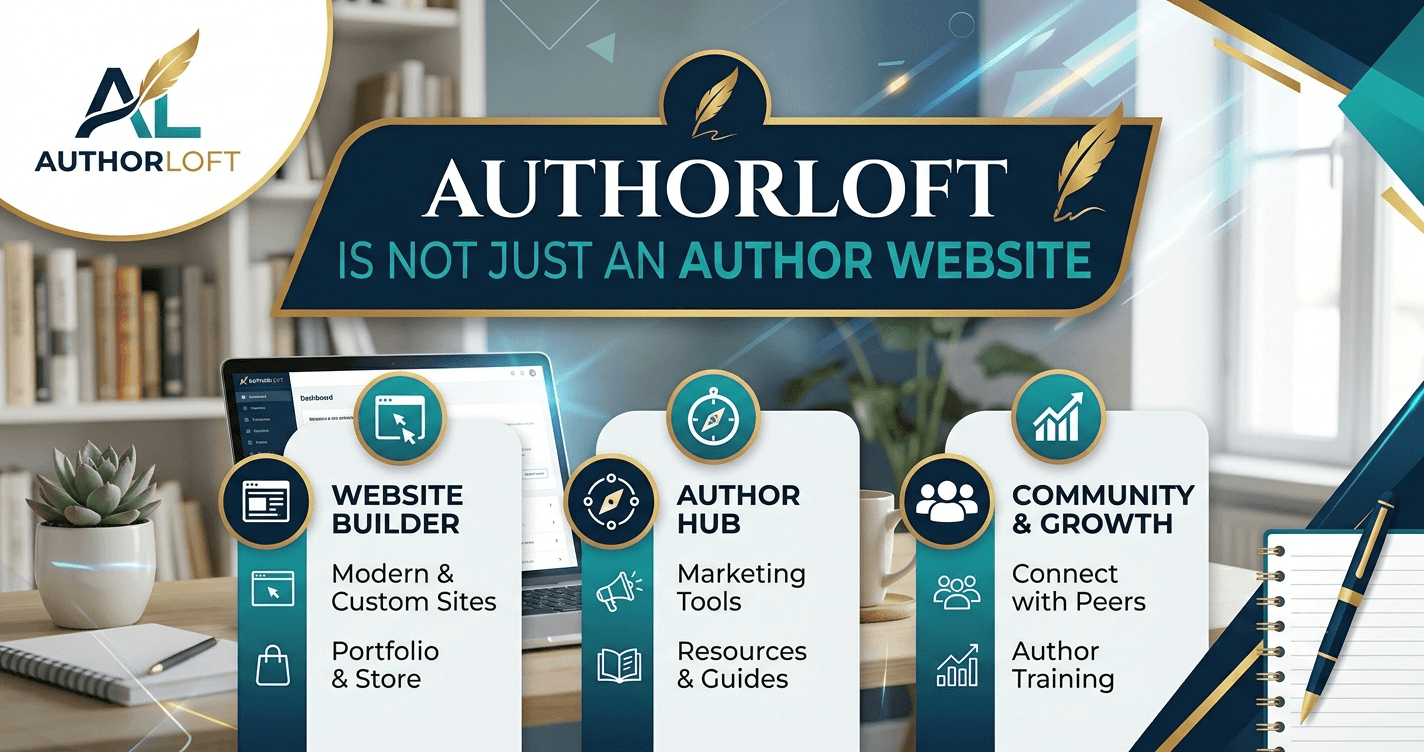
AuthorLoft - Not Just an Author Website
Most author websites do one thing: they exist. They have a bio, a list of books, maybe a contact form, and a link that sends readers off to Amazon to buy. The author never sees who clicked, never captures an email address, and never touches a cent of that sale directly. The website works — technically — but it works for the retailer, not the author.
Read article
SEO vs. GEO vs. AEO: The New Visibility Trifecta Every Brand Must Master in 2026
Google search, AI chatbots, and AI overviews now send readers down three different discovery paths — here's what SEO, AEO, and GEO each optimize for, and how to show up in all three.
Read article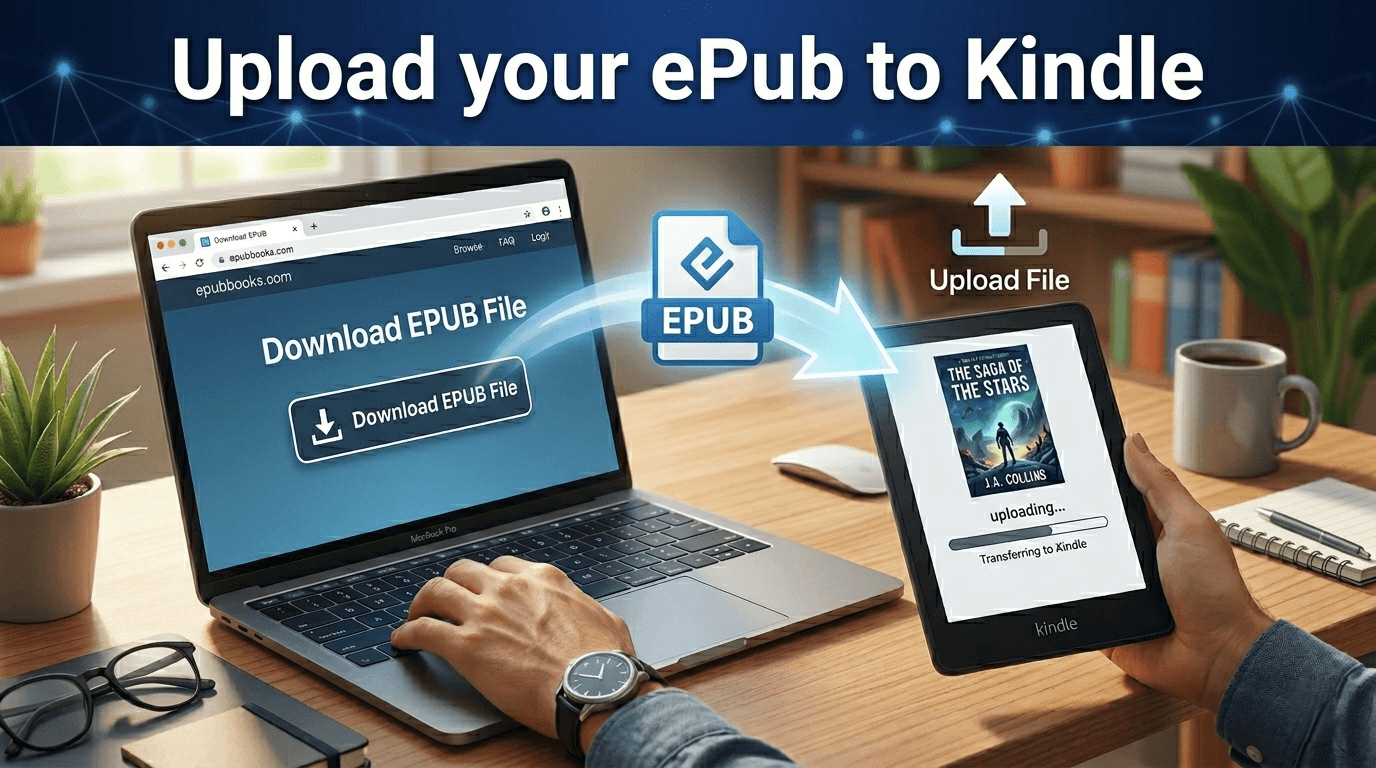
How to Download an EPUB File and Upload It to Your Kindle
This guide walks you through every method — from the simplest “Send to Kindle” button to the old‑school USB transfer. Whether you’re tech‑savvy or brand new to sideloading, you’ll find a method that works for you.
Read article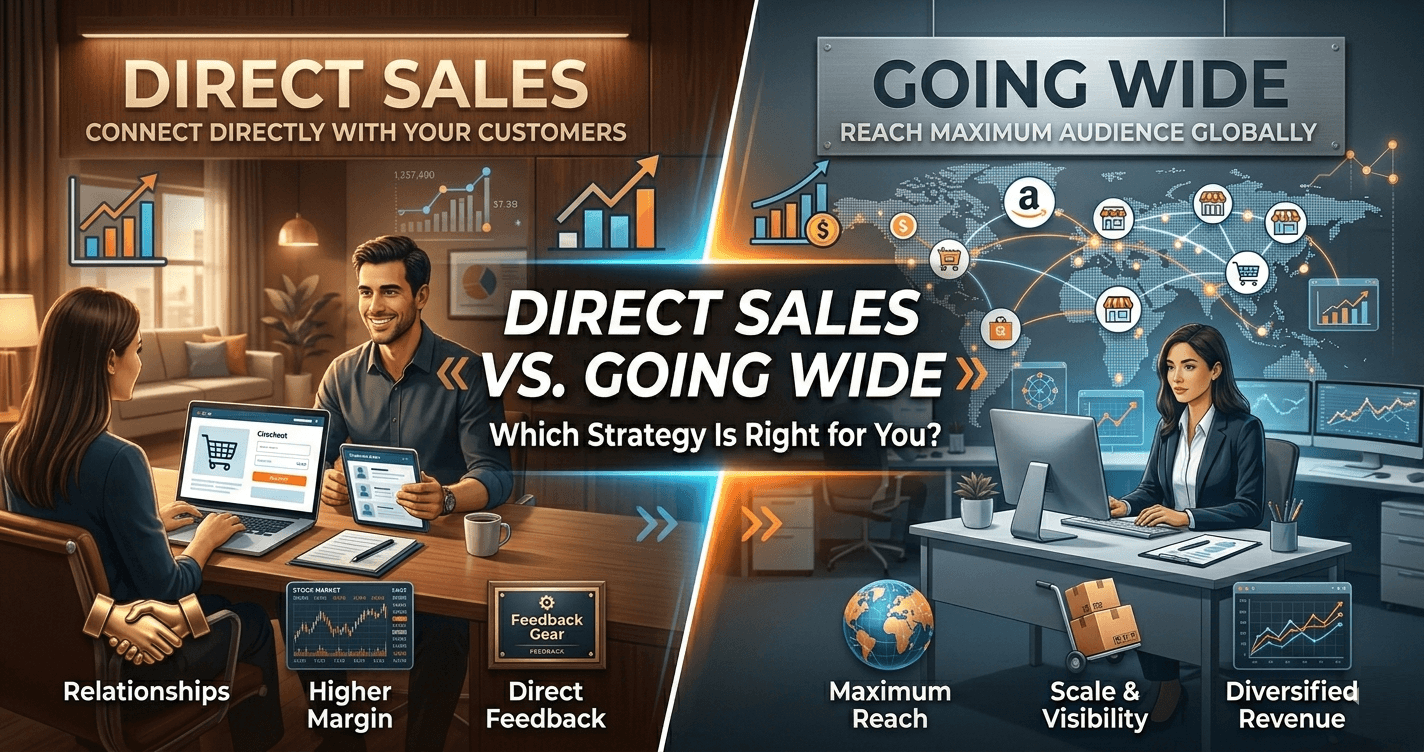
Direct Sales vs. Going Wide: Which Strategy Is Right for You?
Should you sell exclusively through retailers, go wide across all platforms, or sell direct from your website? Here's how to decide.
Read article
5 Self-Publishing Mistakes That Make Your Book Look Amateur
These five common mistakes signal "amateur" to readers — and they're all fixable. Here's how to avoid them and publish like a pro.
Read article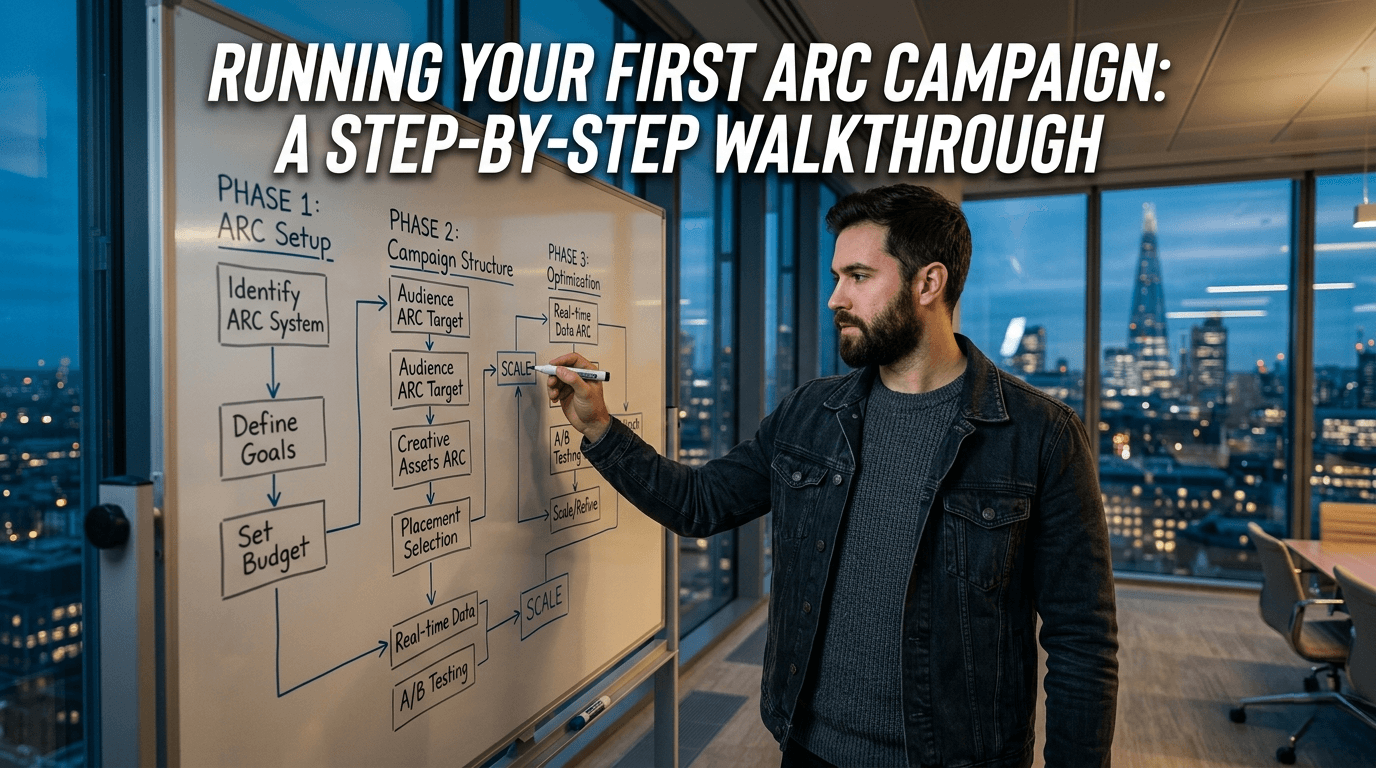
Running Your First ARC Campaign: A Step-by-Step Walkthrough
Never run an ARC campaign before? Here's exactly how to distribute advance copies, collect reviews, and launch with social proof — step by step.
Read article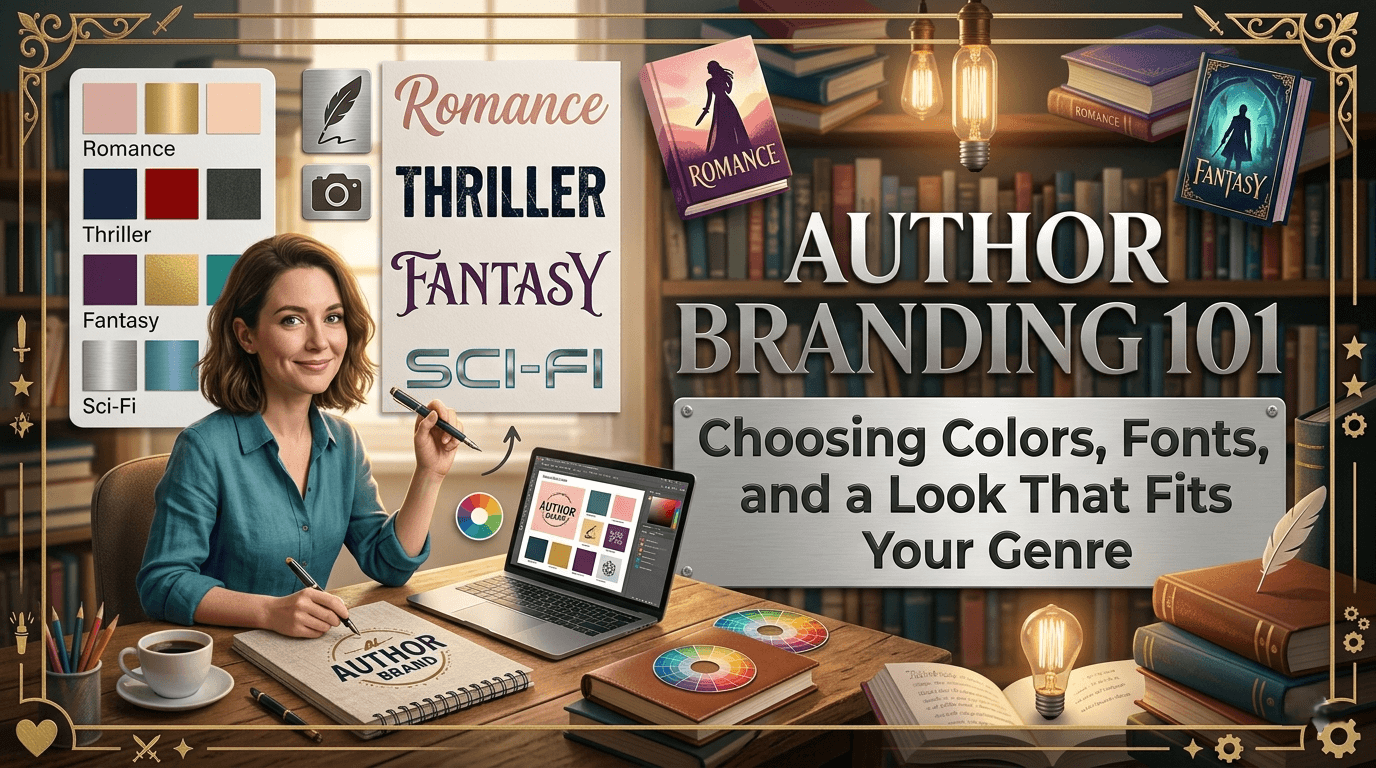
Author Branding 101: Choosing Colors, Fonts, and a Look That Fits Your Genre
Your visual identity is the first thing readers notice. Here's how to choose colors, fonts, and a design language that matches your genre and attracts your audience.
Read article
Author Website SEO: 5 Quick Wins That Actually Move the Needle
SEO doesn't have to be complicated. These five changes take minutes and measurably improve how search engines find and rank your author website.
Read article
How Much Does It Really Cost to Self-Publish a Book in 2026?
Self-publishing costs range from $500 to $5,000+. Here's a realistic breakdown of what you'll spend on editing, covers, formatting, and marketing.
Read article
7 Book Launch Mistakes That Kill Your First-Week Sales
Most book launches underperform not because the book is bad, but because the launch was mismanaged. Here are seven mistakes to avoid.
Read article
3 Reader Magnets That Actually Grow Your Author Email List
Reader magnets are the fastest way to grow your email list. Here are three types that work — with examples from successful indie authors.
Read article
The 5 Metrics Every Author Should Track on Their Website
Stop guessing what works. These five website metrics tell you exactly where to focus your marketing time and budget.
Read article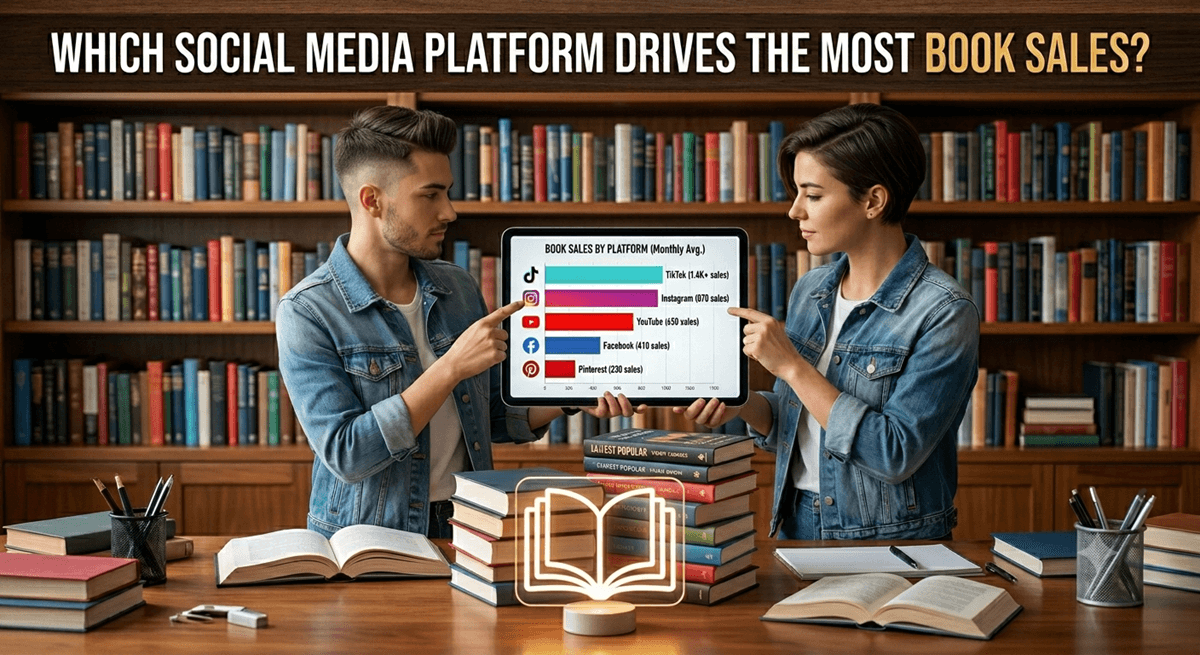
Which Social Media Platform Drives the Most Book Sales? (Use Data to Find Out)
Every author wonders which platform is "best." The answer is in your analytics — here's how to read the data and stop wasting time on platforms that don't convert.
Read article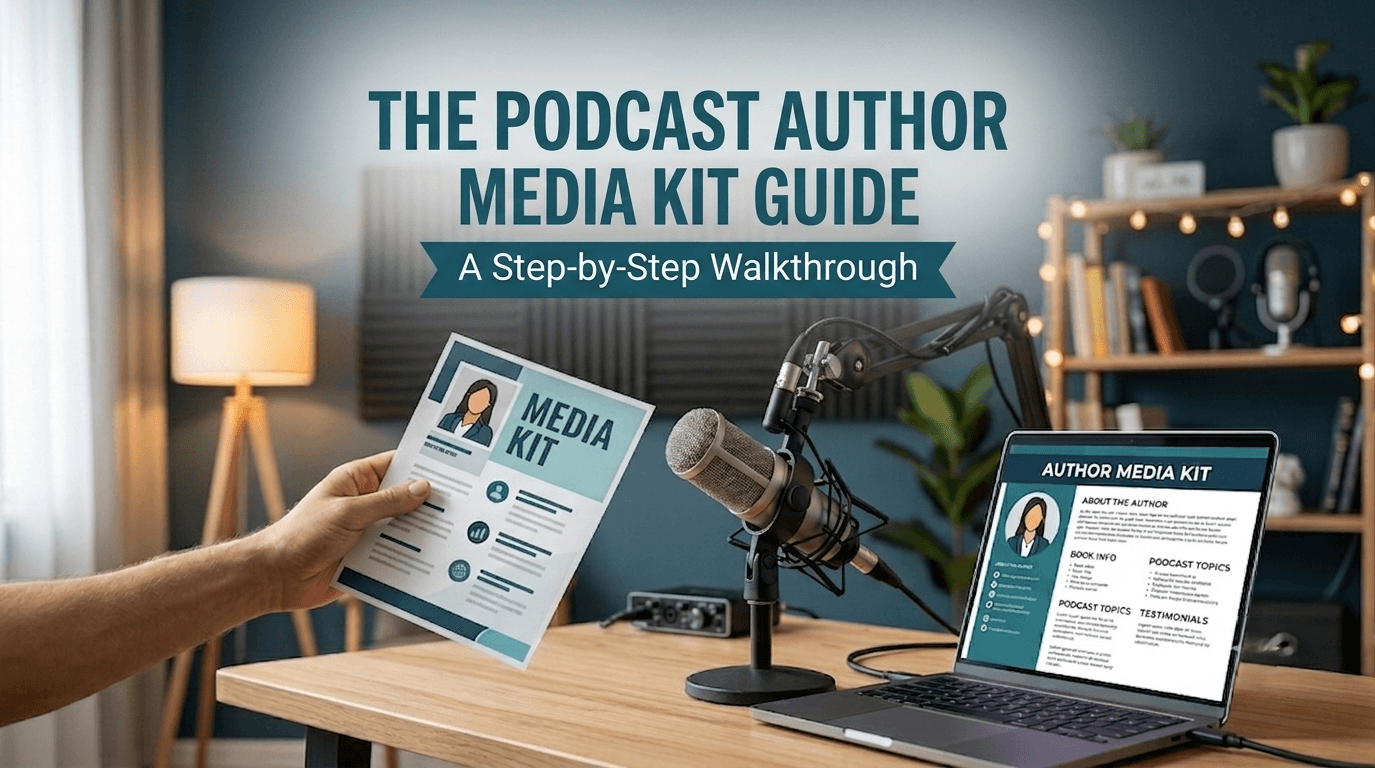
How to Pitch Yourself to Podcasts Using Your Author Media Kit
Podcasts are one of the best marketing channels for authors. Here's how to use your media kit to land interviews and make a great impression.
Read article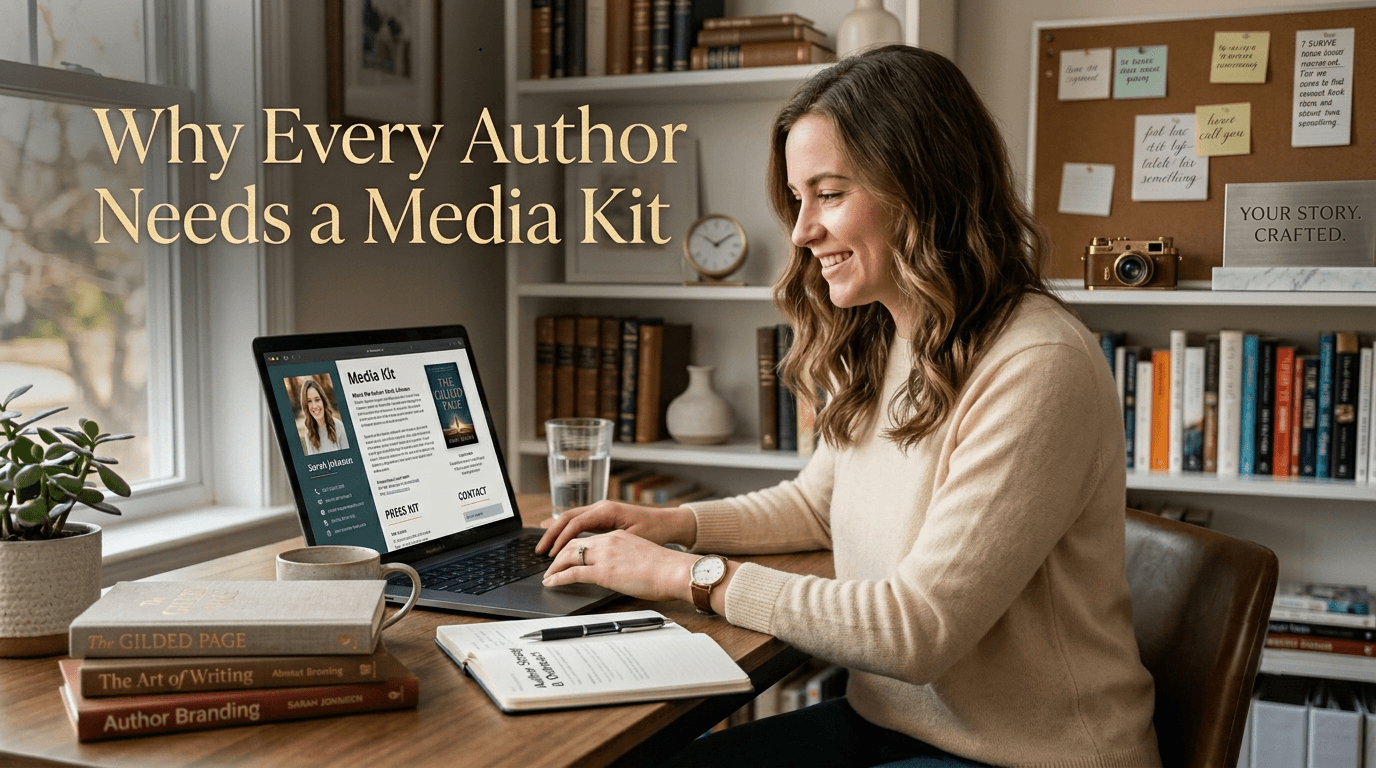
Why Every Author Needs a Media Kit (Even If You're Just Starting Out)
A media kit opens doors to podcast interviews, blog features, and event invitations. Here's why you need one — and what to include.
Read article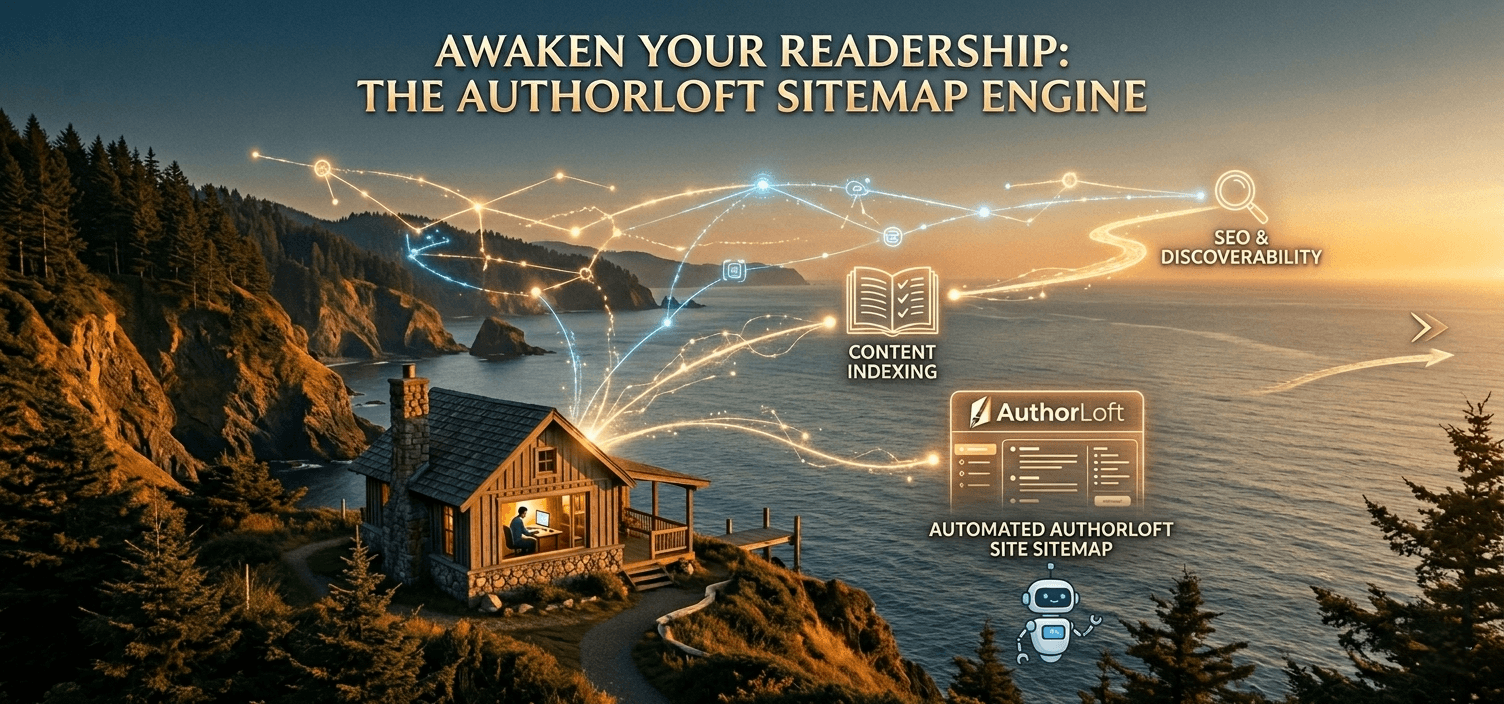
Why Your Author Website Needs a Sitemap (and How AuthorLoft Handles It Automatically)
Every page on your author site -- your books, your blog, your About page -- needs to be discoverable by search engines. A sitemap is how that happens. Here's what it does, and how AuthorLoft keeps yours current without any work from you.
Read article
Pre-Orders 101: Build Buzz Before Launch Day
The best time to start selling your next book is before it's finished. Here's how a "Coming Soon" page with pre-orders and a "Notify Me" signup builds momentum -- automatically -- for your launch.
Read article
ARC Programs Without the Spreadsheet Chaos
Advance Reader Copies build buzz and early reviews -- but managing them by hand is a logistical headache. Here's how to run a professional ARC program, and how AuthorLoft's built-in tools take the busywork off your plate.
Read article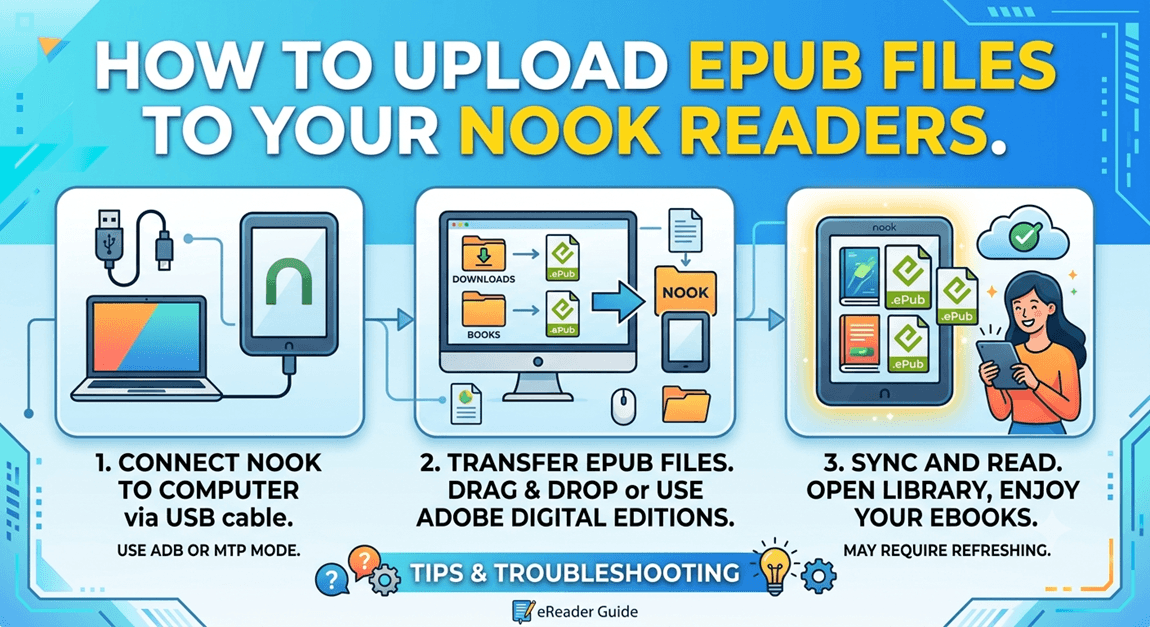
How to upload ePub files to your Nook readers.
Barnes & Noble does not provide a custom email address or web portal to wirelessly upload personal ePubs to their cloud servers for syncing across your Nook library. However, because Nook devices natively support the ePub format, getting them onto your device is very straightforward using physical or alternative wireless workarounds.
Read article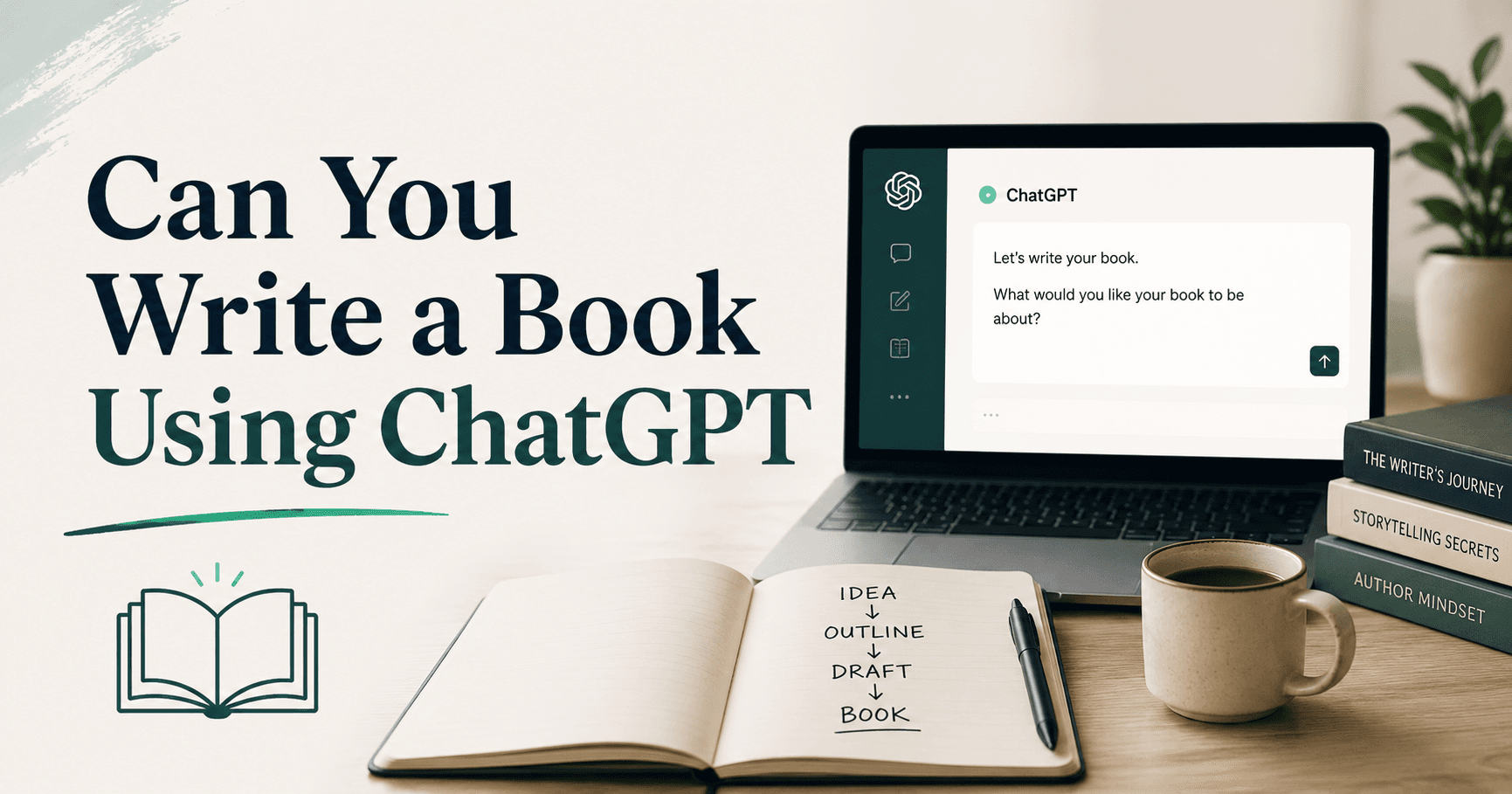
Can You Write a Book Using ChatGPT?
ChatGPT is a powerful language model that excels at brainstorming, drafting, outlining, and providing editorial feedback. However—and this is important—ChatGPT works best when it's a tool that enhances your creativity rather than replacing it.
Read article
How to sell your book directly to readers — without Amazon taking a cut
Most indie authors treat Amazon as the default. You publish, you list, you wait. That is a reasonable starting point. Amazon has the traffic, the infrastructure, and the trust of millions of readers. It makes sense to be there. When a reader buys your book on Amazon, Amazon owns that relationship. You get the royalty. Amazon gets the customer's name, email address, and purchase history. The next time that reader wants to buy a book — yours or someone else's — Amazon is the starting point, not you. You start from zero every time. This is not a criticism of Amazon. It is simply how their business model works. The question is whether it should be the only model you work with.
Read article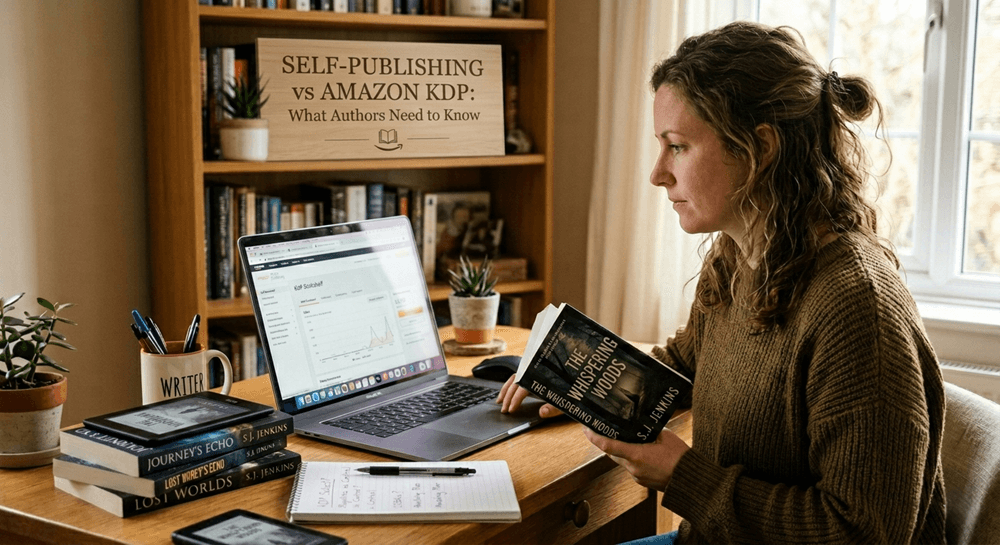
Self-Publishing vs Amazon KDP: What Authors Need to Know
KDP made self-publishing mainstream — but it comes with trade-offs most authors don't discover until it's too late.
Read article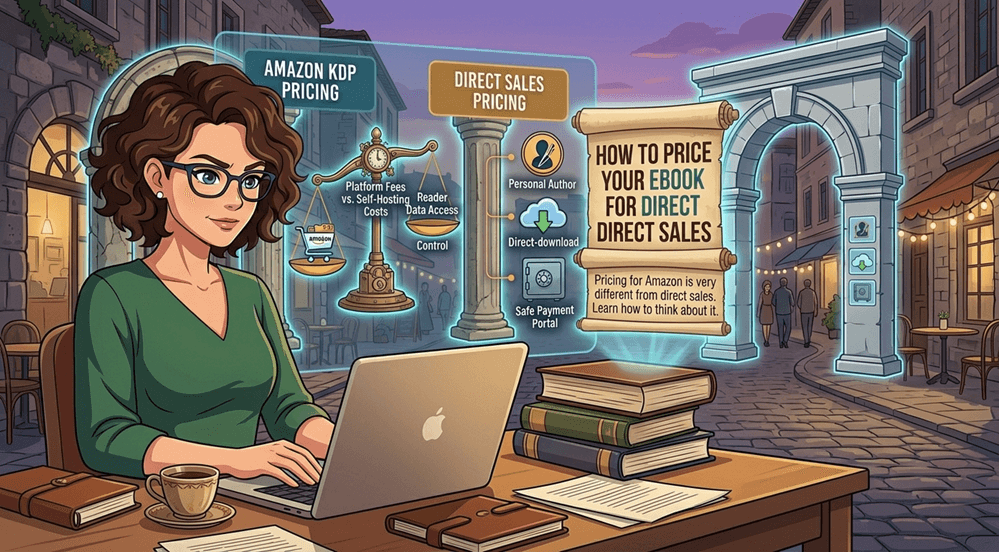
How to Price Your eBook for Direct Sales
Pricing your eBook for a platform like Amazon is very different from pricing for direct sales. Here's how to think about it.
Read article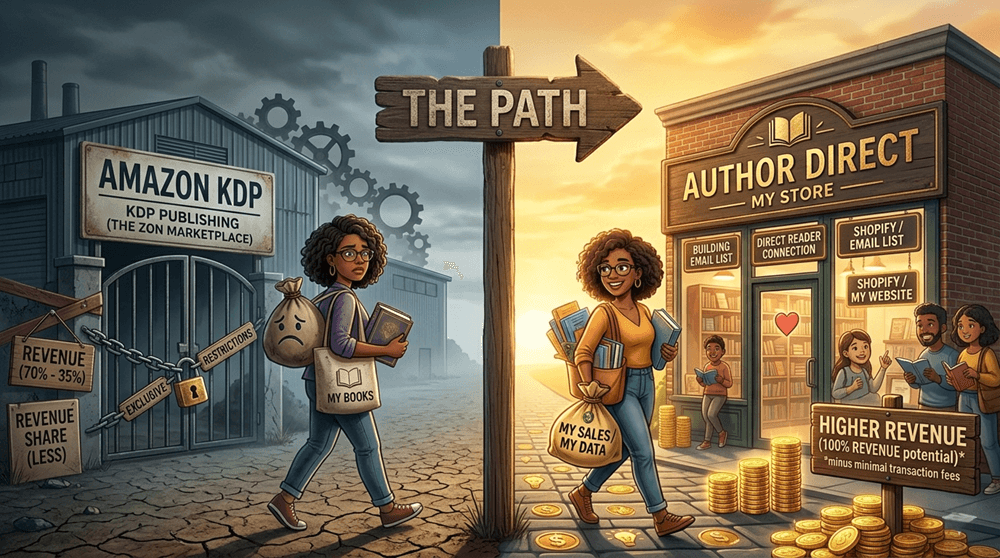
Why Authors Are Leaving Amazon KDP for Direct Sales
A growing number of indie authors are reducing their Amazon dependency. We spoke to authors who made the switch — here's what they said.
Read article
The Author's Guide to GDPR and Reader Data
If you're collecting emails or selling to EU readers, GDPR applies to you. Here's what you actually need to do.
Read article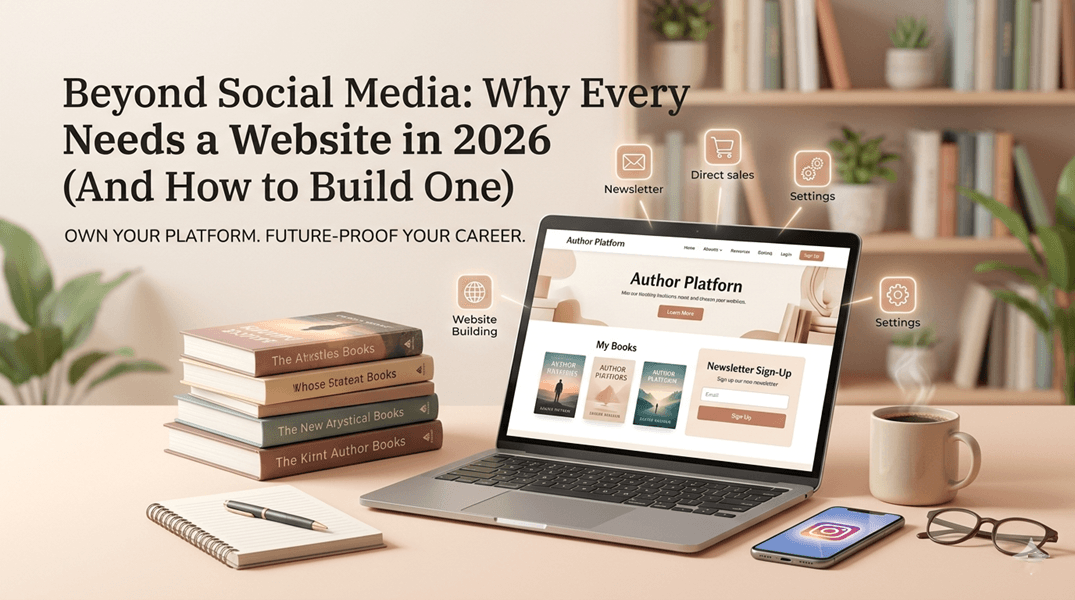
Beyond Social Media: Why Every Author Needs a Website in 2026
If you are relying solely on social media to build your author platform, you are building your digital house on rented land. In 2026, an author website is the single most important asset you can own to future-proof your career, sell directly to readers, and protect your audience from shifting algorithms.
Read article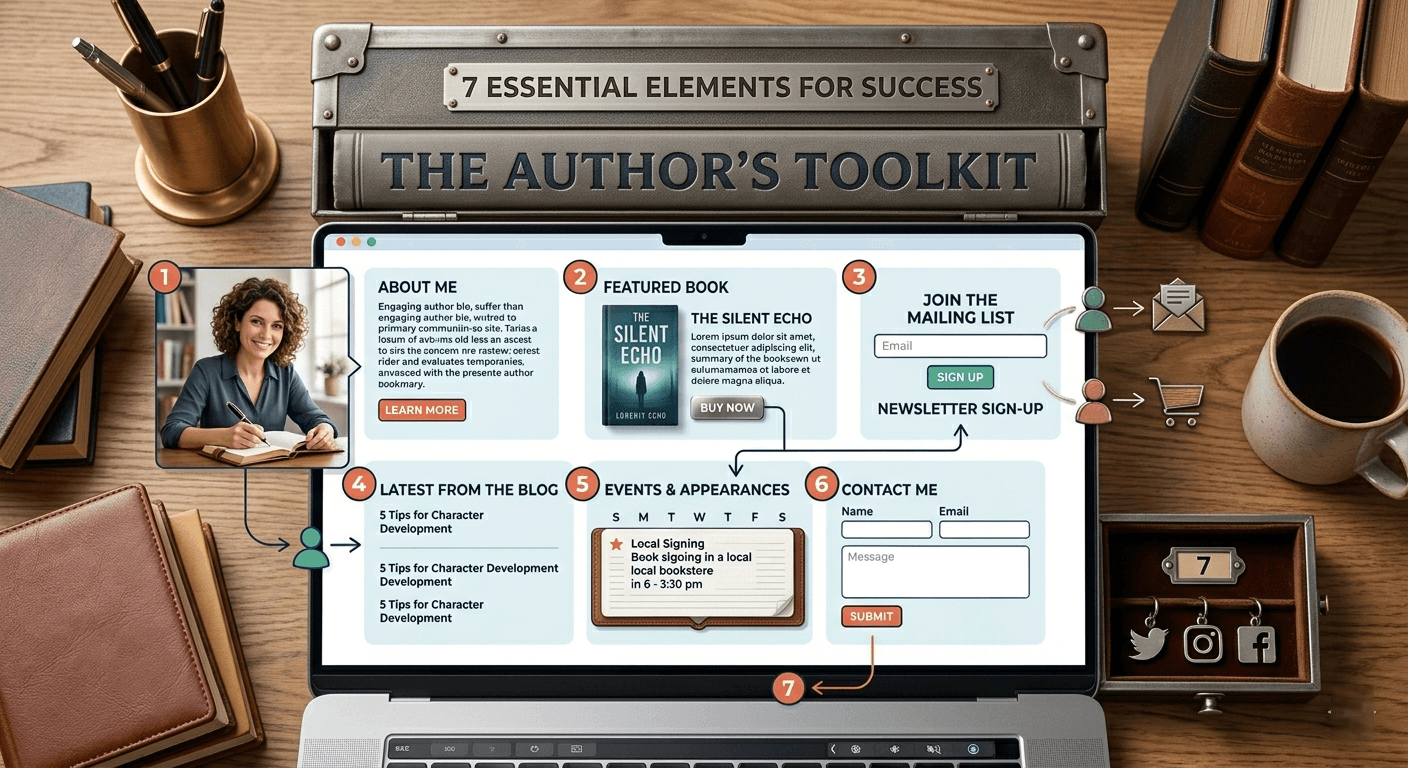
7 Things Every Author Website Needs
Most author websites are missing the basics. Here are the seven elements that turn visitors into subscribers and buyers.
Read article