Can You Write a Book Using ChatGPT?
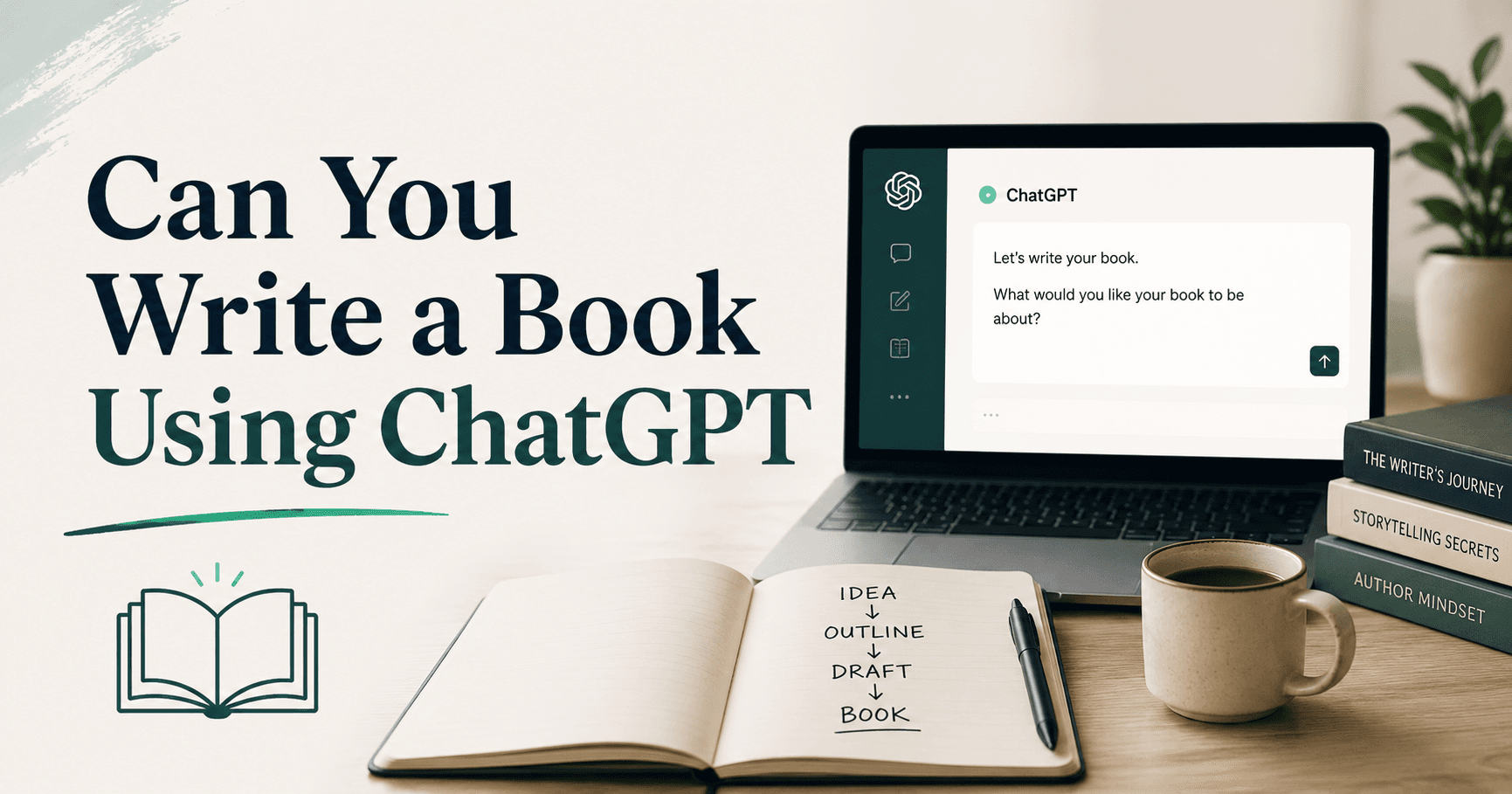
ChatGPT is a powerful language model that excels at brainstorming, drafting, outlining, and providing editorial feedback. However—and this is important—ChatGPT works best when it's a tool that enhances your creativity rather than replacing it.
Blog Post: Leveling Up Your Writing: A Complete Guide to Using AI Prompts for Book Authors
Introduction
The blank page can be intimidating. Whether you're a seasoned author working on your tenth novel or a first-time writer with a story burning to escape your mind, the creative process has always been solitary and demanding. But today's landscape is changing. With tools like ChatGPT transforming how we work across industries, authors have unprecedented access to AI-powered assistance that can streamline everything from plot development to marketing strategies.
The statistics speak for themselves. According to recent data, ChatGPT now boasts 180.5 million users globally, with 100 million people using it weekly—and this includes 92% of Fortune 500 companies. Authors, too, are discovering the remarkable potential of AI to overcome writer's block, develop complex characters, and refine their manuscripts. But the key to unlocking this potential isn't just using ChatGPT; it's knowing how to use it effectively through strategic prompting.
This guide explores how authors can harness AI to enhance their creative process, drawing on proven prompt strategies that help writers navigate every stage of book development.
Can You Really Write a Book Using ChatGPT?
The short answer is yes. But it's crucial to understand what ChatGPT can and cannot do.
ChatGPT is a powerful language model that excels at brainstorming, drafting, outlining, and providing editorial feedback. It can generate character backstories, develop plot points, and even help refine dialogue. From the earliest stages of ideation through to the final polish, ChatGPT can serve as a collaborative partner throughout your writing journey.
However—and this is important—ChatGPT works best when it's a tool that enhances your creativity rather than replacing it. Your unique voice, your personal experiences, and your authentic storytelling vision are irreplaceable. AI provides structure, suggestions, and scaffolding; you provide the soul.
Additionally, writers should always verify factual claims and maintain editorial oversight. AI sometimes generates plausible-sounding but inaccurate information, which can undermine credibility in non-fiction or even in fictional worlds that need internal consistency.
Strategic Prompting: The Foundation of AI-Assisted Writing
The difference between mediocre and exceptional AI-generated content lies in the prompts you provide. Generic requests produce generic results; strategic, detailed prompts produce remarkable ones.
A masterful approach involves what's known as the "system prompt"—essentially, your instructions that govern how ChatGPT approaches your project. Instead of asking ChatGPT to "write a book," you provide comprehensive context that positions ChatGPT as an experienced collaborator who understands your specific vision.
For example, rather than a vague request, you might tell ChatGPT: "Act as an experienced book writer who has written almost 50 New York Times best sellers. Write a book with the following details: [Title, Genre, Target Audience, Writing Style, Point of View, Character descriptions, Narrative Arc, Themes, etc.]"
This approach transforms ChatGPT from a generic writing tool into something much more powerful—a specialized assistant tailored to your exact project. The level of detail you provide directly correlates with the quality of output you receive.
Breaking Down the Book Writing Journey
Different stages of book development benefit from different prompts. Let's explore the key phases:
Story Outlines and Structure
Before you write a single chapter, a solid outline provides the roadmap. ChatGPT can help you create detailed outlines that account for plot progression, character arcs, and thematic elements. By specifying your setting, main characters, key events, and desired tone, you can generate a comprehensive outline that keeps you on track throughout the writing process.
Character Development
Characters are the heart of any compelling story. AI prompts can help you explore multiple dimensions of your characters—their fears, desires, internal conflicts, relationships, and growth arcs. By treating character development as a detailed prompt exercise, you create more authentic, layered protagonists and antagonists that readers will genuinely care about.
Setting and Atmosphere
The world your characters inhabit matters enormously. Whether you're building a fantasy realm or recreating a historical period, ChatGPT can help you construct vivid, immersive settings. Through detailed prompts, you can establish geographical features, cultural norms, climate conditions, and the sensory details that bring your world to life.
Plot Development and Pacing
A well-crafted plot moves readers through a journey with appropriate tension and release. AI can assist in developing comprehensive plot structures that include inciting incidents, key plot points, climactic moments, and satisfying resolutions. You can also use AI to evaluate whether your pacing maintains reader engagement throughout.
Dialogue Refinement
Dialogue is notoriously difficult to master. Natural-sounding conversations that advance the plot, reveal character, and maintain distinct voices for each character require skill. ChatGPT excels at helping you enhance existing dialogue, ensure each character sounds unique, and weave in subtext and emotional complexity.
## From Manuscript to Market: The Complete AI Workflow
Writing the book is only half the battle. Authors also need to tackle editing, feedback, and marketing—areas where AI adds tremendous value.
Manuscript Feedback
Before sending your work to beta readers or editors, ChatGPT can provide constructive feedback on structure, character development, pacing, thematic consistency, and dialogue authenticity. This pre-editorial review helps you identify major issues and strengths before seeking professional feedback.
Author Branding and Marketing
The most beautifully written book won't reach readers without effective marketing. ChatGPT can help you develop comprehensive author branding strategies, including social media planning, community engagement tactics, promotion ideas, and marketing material concepts. Whether you're pursuing traditional publishing or self-publishing, AI can guide your approach to reaching your target audience.
Practical Advantages for Different Author Types
Whether you write fiction, non-fiction, memoirs, or self-help books, AI prompting offers distinct benefits. Fiction writers gain support for worldbuilding and character development. Non-fiction authors can use AI to organize research, develop clear outlines, and strengthen argumentation. Memoir writers benefit from structured prompts that help extract and organize personal narratives. Self-help authors can use AI to develop frameworks and actionable steps that serve readers.
Best Practices for AI-Assisted Writing
To get the most from ChatGPT as your writing partner, consider these practices:
Be Specific: Vague prompts produce vague results. Include details about genre, audience, tone, character descriptions, and plot specifics.
Iterate: Your first ChatGPT output is rarely your final version. Refine the prompt, ask follow-up questions, and build on what works.
Maintain Oversight: Always review AI-generated content. Edit for coherence, authenticity, and alignment with your vision.
Verify Factual Content: For non-fiction, cross-check any claims ChatGPT makes against reliable sources.
Preserve Your Voice: Use AI for scaffolding and support, but let your unique authorial voice shine through the final manuscript.
The Future of Author-AI Collaboration
The integration of AI tools into the writing process represents neither the death of authorship nor the obsolescence of craft. Rather, it's an evolution. Just as authors once adapted to word processors, the internet, and self-publishing platforms, we're now adapting to AI-assisted creation.
The authors who will thrive in this landscape are those who view AI as a collaborator—a tool that handles certain mechanical and creative tasks, freeing them to focus on what they do best: telling stories that matter, exploring ideas that provoke thought, and creating works that resonate emotionally with readers.
Conclusion
Writing a book has always been a challenge. With ChatGPT and strategic prompting, it becomes a more manageable, potentially more enjoyable process. Whether you're developing your first outline, refining character backstories, polishing dialogue, or crafting a marketing strategy, AI can support you at every stage.
The resources available through comprehensive prompt guides—like those detailed in the Weam article "20 Best ChatGPT Prompts For Book Writing"—provide specific, tested approaches for overcoming common authorial challenges. By understanding how to craft effective system prompts, break down your project into manageable stages, and maintain creative oversight, you can harness AI's power while preserving the authenticity that makes your work uniquely yours.
Your story deserves to be told. With AI as your assistant, you're now equipped to tell it more efficiently, more effectively, and with greater confidence in the final result. The blank page needn't be intimidating anymore—you have a collaborator ready to help.
Related reading: Writing With AI: Where It Helps and Where It Hurts
· Ready to start your business? ·
Own your author business starting today
Sell books from your own site and keep every reader's email address.
Get Started Free